African Mango Plus Review 2026: Can Irvingia Gabonensis Really Help With Weight Loss?
African Mango Plus Review 2026: Can Irvingia Gabonensis Really Help With Weight Loss?

⚡ Quick Answer
African Mango Plus is a dietary supplement built around Irvingia gabonensis seed extract, marketed for appetite suppression and fat loss. A small number of trials reported modest weight reduction, but they were short, small, and partly industry-funded — a long way from "proven." It may appeal to readers who have already established a calorie-controlled diet and want to explore a supplement alongside it, but it should not be treated as a standalone weight-loss solution.
🛒 Shop the product
Approx. £32 / $40.00 per bottle — affiliate link, see disclosure above.
Weight management is one of the most common reasons people visit a GP in this country, and it is also one of the areas where the supplement industry is most active — and most creative with its marketing. Among the wave of so-called "superfruit" products that emerged over the past decade, African Mango extract has been one of the more persistent. You will find it promoted on social media, in wellness blogs, and increasingly on mainstream supplement sites, almost always with dramatic before-and-after imagery and confident promises.
The product we are examining today — African Mango Plus from HealthBuy — is a capsule supplement claiming to boost fat burning, increase metabolism, and reduce appetite using the extract of Irvingia gabonensis seeds. These are bold claims, and they deserve a careful, evidence-led look rather than a blanket endorsement or dismissal.
In this review we will walk through what Irvingia gabonensis actually is, what the published research does and does not tell us, how to take it sensibly if you decide to try it, and what realistic outcomes look like. If you are considering an Irvingia gabonensis weight loss supplement, we hope this article gives you a clearer picture before you spend any money.
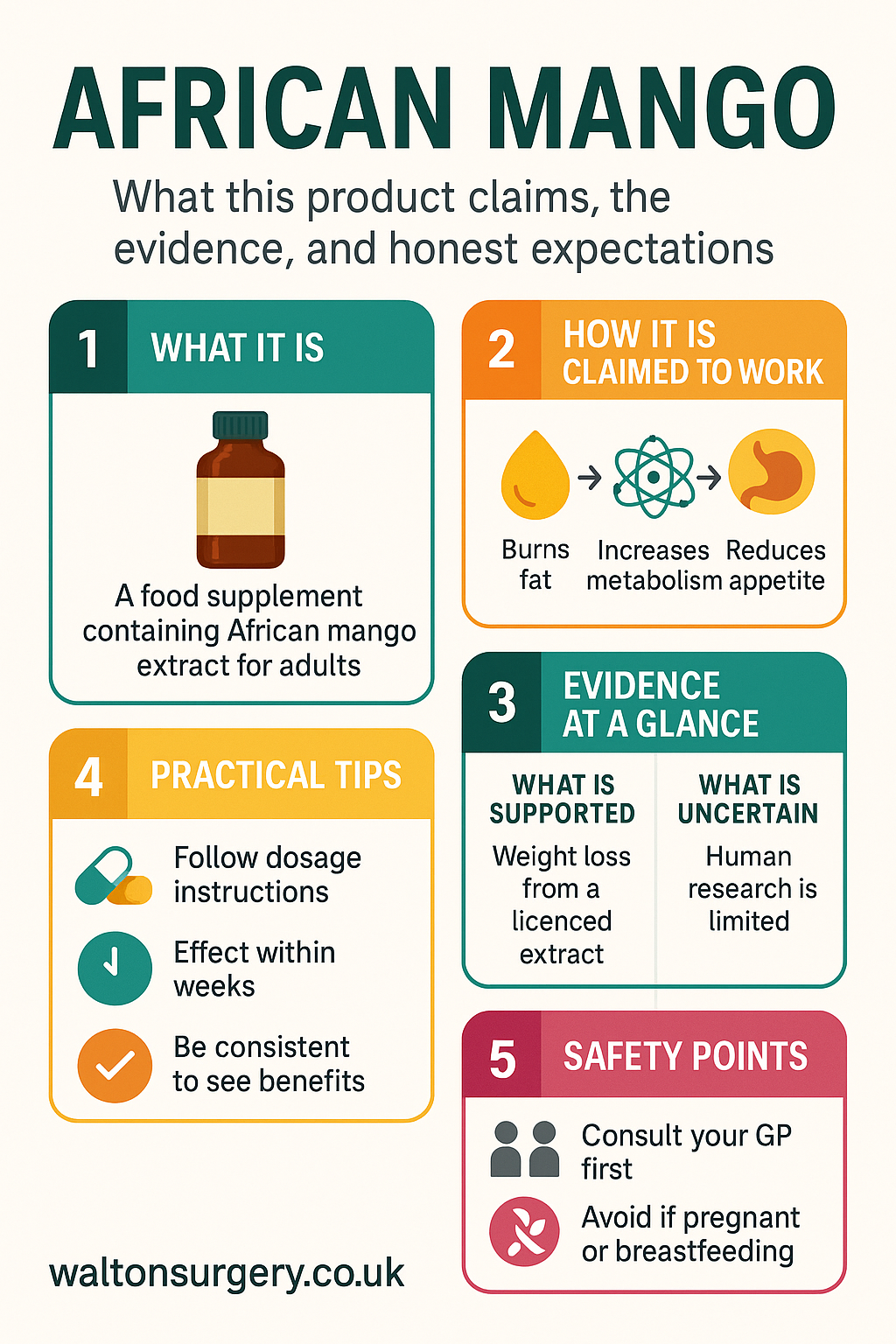
What African Mango Actually Is
"African Mango" is the common marketing name for the seeds — sometimes called "bush mango nuts" or "dika nuts" — of Irvingia gabonensis, a tree native to the tropical forests of West and Central Africa. The tree also produces a fleshy fruit similar to a mango, which is eaten locally as a food source. It is the seeds, however, that are ground into extract and sold in capsule form as a weight-loss supplement.
The key distinction to understand is this: eating the fruit as part of a traditional diet is nothing new — people in Nigeria, Cameroon, and other parts of the region have done so for centuries. What is relatively new is the extraction and concentration of the seed's active compounds into a pill, and the claim that these compounds can meaningfully shift body weight when taken by people in Western countries eating a modern diet. That is a much larger claim, and it is where scrutiny becomes important.
The extract most commonly referenced in clinical studies is branded as IGOB131, a specific extract standardised to particular active compounds including fibre, polyphenols, and phytosterols. Not all products use this specific extract, and labelling can be vague — something worth checking before you buy.
How Irvingia Gabonensis Is Supposed to Work
Proponents of African Mango extract suggest several mechanisms through which it might influence body weight. The most commonly cited are:
Proposed mechanisms
How Irvingia gabonensis is said to influence weight
- Adiponectin upregulation: The extract may increase adiponectin, a hormone that helps regulate fat metabolism and insulin sensitivity. Higher adiponectin levels are associated with lower body fat in observational studies.
- Leptin modulation: Leptin is the "fullness" hormone. Some researchers have suggested Irvingia gabonensis may improve leptin sensitivity, potentially reducing appetite — though the evidence for this is preliminary.
- Glycerol-3-phosphate dehydrogenase inhibition: By inhibiting this enzyme, the extract may theoretically reduce the conversion of blood sugar into stored fat. Again, this is based on limited laboratory and early clinical data.
- Soluble fibre content: The seeds are rich in soluble fibre, which can slow gastric emptying and promote a feeling of fullness. This is arguably the most plausible mechanism, though it is also the least "exciting" from a marketing perspective.
In theory, these mechanisms sound reasonable. The problem is that the laboratory and early-clinical evidence behind them ranges from thin to genuinely uncertain. Proposed mechanisms are not the same as proven outcomes, and this is a distinction that supplement marketing tends to blur.
The Evidence — What the Studies Actually Show
The weight-loss evidence for Irvingia gabonensis rests primarily on two studies led by Ngondi and colleagues, published in 2005 and 2009. The 2005 study involved 40 participants over four weeks. The 2009 study — the larger and more frequently cited one — involved 102 participants over ten weeks. Both reported statistically significant reductions in body weight, body fat, waist circumference, and various metabolic markers in the group receiving IGOB131 extract compared to placebo.
On paper, these results look promising. In practice, there are important caveats:
⚠️ Reality check — study limitations
The 2009 Ngondi trial — which forms the backbone of virtually every African Mango marketing claim — was funded by the company that manufactured the IGOB131 extract (Gateway Health Alliance). This does not automatically invalidate the results, but industry-funded trials are known to produce more favourable outcomes than independent research, and that is a well-documented pattern across nutrition science. Additionally, the trial took place in Cameroon with a relatively homogeneous participant group, the sample size of 102 is modest, and the ten-week duration tells us nothing about longer-term effects. Crucially, no large, independent, randomised controlled trial has replicated these findings in the years since. A 2013 systematic review noted the overall quality of evidence as low. The sales page's claim that this formula is "scientifically proven" is not supported by the current weight of evidence.
It is also worth noting that the US Federal Trade Commission (FTC) has previously taken enforcement action against companies making unsubstantiated African Mango weight-loss claims, resulting in settlements and required refunds. This does not mean every African Mango product is fraudulent, but it does signal that regulators have found the marketing around this ingredient to be overblown in at least some cases.
How to Use It
If you have read the evidence above and still wish to try African Mango Plus, here is how it is typically taken. The dose used in the Ngondi trials was 150 mg of IGOB131 extract, taken once or twice daily, roughly 30 to 60 minutes before a meal with a glass of water. Always follow the specific dosing instructions on the product label you purchase, as formulations vary.
Some general tips that apply to any weight-management supplement:
Take it at the same time each day to build a routine. Do not exceed the recommended dose — more is not better, and higher doses have not been studied for safety. Pair it with a calorie-controlled diet and regular physical activity; a supplement taken in isolation is unlikely to produce meaningful change. Track your weight and waist measurement weekly rather than daily, as natural fluctuations can be misleading. Give it at least eight to ten weeks before deciding whether it is doing anything, consistent with the trial duration — but do not continue indefinitely without reassessing.
Side Effects and Who Should Think Twice
In the short-term clinical trials, side effects were generally mild and infrequent. Reported issues included headaches, flatulence, difficulty sleeping, and occasional digestive discomfort. These are common enough across many supplements and may not be directly attributable to the extract itself.
However, the absence of reported serious side effects in small, short trials does not mean the product is safe for everyone. There are several groups who should exercise particular caution:
⚠️ Who should be cautious or avoid it
Diabetics or pre-diabetics: Irvingia gabonensis has been studied partly for its effects on blood sugar. If you are on metformin, insulin, or other glucose-lowering medication, adding this supplement without medical supervision risks unpredictable blood sugar changes. People on statins or cholesterol medication: The extract may influence lipid pathways, and concurrent use with statins has not been studied. Pregnant or breastfeeding women: There is no safety data in these populations. Avoid. Under-18s: Not appropriate for children or adolescents. Anyone on prescription medication: As a general rule, discuss any new supplement with your pharmacist or GP.
From a regulatory perspective, African Mango / Irvingia gabonensis is not licensed as a medicine by the MHRA and is not recommended by the NHS for weight management. It is sold as a dietary supplement. This means it has not undergone the same rigorous pre-market testing for efficacy and safety that licensed medicines go through. Quality control can vary between manufacturers.
A Focused Look at This Product
With the general evidence picture in mind, let us turn to African Mango Plus specifically. This is a capsule supplement sold through HealthBuy's Shopify storefront. The product description states it "utilizes the powerful benefits of African Mango to aid in burning fat, increasing metabolism, and reducing appetite" and describes the formula as "scientifically proven." As we have discussed, that latter claim is a significant overstatement.
Here is what we can piece together about the product itself:
🔬 Product snapshot — African Mango Plus
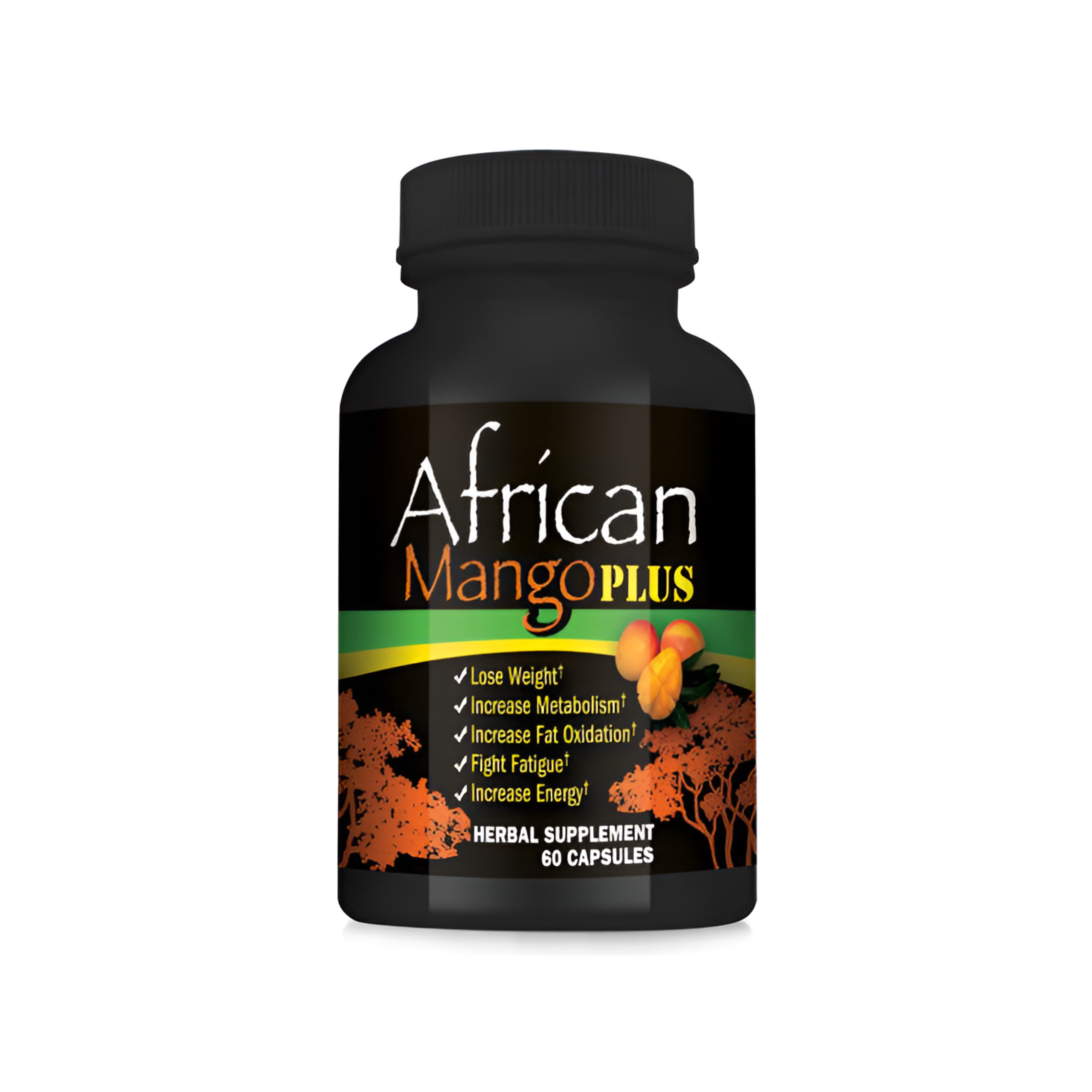
- Active ingredient(s): Irvingia gabonensis (African Mango) seed extract — exact standardisation and dose per capsule not clearly stated on the sales page
- Format: Capsules (count per bottle not specified on the listing we reviewed)
- Marketed claims: Fat burning, metabolism boost, appetite suppression, "scientifically proven formula"
- Quality info: No specific third-party testing certifications, cGMP statements, or lab reports were visible on the product page at the time of writing
- Price: approx. £32 / $40.00 per bottle
A few things stand out. The lack of clearly stated dosage per capsule is a concern — with the clinical trials using 150 mg of a specific extract, knowing how much you are actually getting per serving is important. The absence of visible quality certifications (such as third-party lab testing, cGMP manufacturing standards, or an FDA-registered facility statement) is also worth noting. These are baseline expectations for any supplement, particularly one making weight-loss claims. If these details exist somewhere on the site and we have missed them, we would encourage the manufacturer to make them more prominent.
Realistic Expectations
Let us be direct about what you should and should not expect if you try this supplement. In the best-case scenario, based on the existing (limited) clinical data, a participant taking Irvingia gabonensis extract over ten weeks lost roughly 4 to 5 kg more than the placebo group. That is not nothing — but it is a long way from the dramatic transformations shown in typical supplement marketing.
More importantly, those participants were also following dietary guidance. The extract was not tested in isolation from lifestyle changes. For most people, the foundation of sustainable weight management remains the same: a modest, consistent calorie deficit, adequate protein intake, regular physical activity, sufficient sleep, and stress management. No supplement replaces those fundamentals.
If you are already doing the hard work of dietary change and exercise, and you want to explore a supplement to complement that effort, African Mango Plus is one option — but go in with your eyes open about the evidence limitations. If you are hoping a capsule will do the work without lifestyle changes, you are likely to be disappointed, and your money would be better spent on a consultation with a registered dietitian.
Frequently Asked Questions
What is African Mango and what is the active ingredient?
African Mango refers to the seeds (nuts) of Irvingia gabonensis, a tree native to West and Central Africa. The seed extract — sometimes abbreviated to IGOB131 — is the active ingredient in supplements like African Mango Plus. It has been used as a traditional food source for centuries, but its use as a weight-loss aid is a modern marketing phenomenon.
Is African Mango scientifically proven to help with weight loss?
A handful of small clinical trials — most notably by Ngondi and colleagues (2005, 2009) — reported modest weight loss in participants taking Irvingia gabonensis extract. However, these studies were small, short-term, and some were funded by the extract's manufacturer. Independent, large-scale replication is lacking. Calling it "scientifically proven" is a significant overstatement of the current evidence.
Are there any side effects from African Mango supplements?
In the short-term trials that exist, side effects were generally mild — headaches, flatulence, and sleep disturbances were occasionally reported. Because Irvingia gabonensis may affect blood sugar and cholesterol pathways, people on diabetes medication or statins should speak to their GP before trying it. It has not been assessed for long-term safety.
Is African Mango approved by the MHRA or NHS?
No. African Mango / Irvingia gabonensis is not licensed as a medicine by the MHRA, nor is it recommended by the NHS. It is sold as a dietary supplement, which means it does not undergo the same rigorous testing, quality control, or efficacy review as licensed medicines.
How do you take African Mango Plus?
The typical dose seen in studies and on product labels is 150 mg of Irvingia gabonensis seed extract taken once or twice daily, usually 30–60 minutes before meals. Always follow the specific label instructions on the product you purchase. Supplements work best — if at all — alongside a balanced diet and regular physical activity.
Who should avoid African Mango supplements?
Pregnant or breastfeeding women should avoid it due to a lack of safety data. Anyone taking prescription medications — especially for diabetes, cholesterol, or blood pressure — should consult their GP first, as Irvingia gabonensis may interact with these conditions. It is not suitable for under-18s.
✅ The verdict
African Mango Plus is built around Irvingia gabonensis, an ingredient with a handful of small, short-term, partly industry-funded studies showing modest weight loss. The claim that it is "scientifically proven" is not supported by the current body of evidence, which lacks large, independent, long-term trials. The product's sales page does not clearly state the dosage per capsule or provide visible quality certifications — both of which would help consumers make a more informed choice. This is a supplement in the truest sense: something added to a weight-management plan, not a substitute for one.
If you have already built a foundation of dietary awareness and regular movement, and you understand the evidence limitations, this product is available for those who want to explore it. We would suggest speaking to your GP or pharmacist first, especially if you are on any medication. If you would like to check current pricing for African Mango Plus, the link will take you directly to the HealthBuy listing.
If weight management is your broader goal, you may also find our reviews of NAD+ supplements and BPC-157 of interest — both cover emerging supplements with their own evidence questions worth understanding.
🛒 Reader-recommended option
If you have read through the evidence and decided African Mango Plus is worth exploring alongside your existing diet and exercise routine, you can view the product details and current availability below.
Affiliate link — see disclosure at the top of this article. Current price approx. £32 / $40.00 per bottle.
This article is informational and contains affiliate links. It does not replace personalised advice from your GP, pharmacist, or another qualified healthcare professional. African Mango / Irvingia gabonensis is not licensed as a medicine by the MHRA and is not recommended by the NHS. It should not be used by pregnant or breastfeeding women, under-18s, or anyone on prescription medication without first consulting their doctor. Weight management is a complex, individual matter — please seek professional guidance for a plan tailored to your needs.