Frey Flap Surgery, A Revolutionary Solution for Gustatory Sweating After Parotid Surgery
Few medical advancements have the potential to improve quality of life as much as the application of flap surgery to treat complications following parotidectomy. Frey syndrome, a distressing side effect of parotid gland surgery, is experienced by many patients and is characterized by uncomfortable gustatory sweating. It has historically been challenging to treat this socially embarrassing condition, which can cause perspiration in response to eating. However, a novel method utilizing the temporoparietal fascia flap is altering that and giving patients who previously had few treatment options hope.
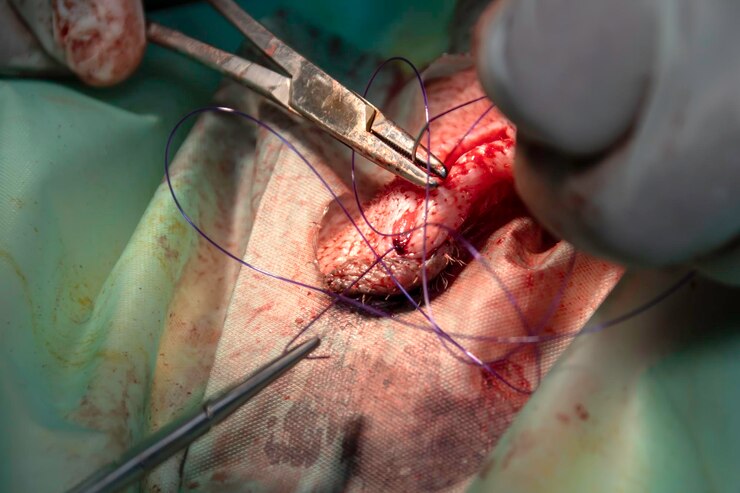
After parotid surgery, 10% to 48% of patients develop Frey syndrome, which is frequently brought on by nerve damage that results in aberrant connections between the salivary and sweat glands. Numerous treatments have been tried, but many fall short in addressing the underlying issue, leaving patients with persistent discomfort and aesthetic problems. However, post-parotidectomy care is evolving due to the introduction of temporoparietal fascia flap interposition. By correcting the cheek contour deformities that result from surgery, this method not only delays the onset of Frey syndrome but also produces a more aesthetically pleasing result.
| Name | Frey Flap Surgery |
|---|---|
| Procedure Type | Surgical intervention for post-parotidectomy complications |
| Medical Specialty | Plastic and Reconstructive Surgery |
| Used For | Treating Frey Syndrome, correcting cheek contour deformities after parotidectomy |
| Tissue Involved | Temporoparietal fascia (a connective tissue flap) |
| Surgeons Specializing | Microsurgeons, Plastic Surgeons |
| Surgical Method | Tissue interposition to prevent sweating and correct deformities |
| Outcome | Prevention of Frey syndrome, improved aesthetic appearance |
| Location | Typically performed in specialized medical centers with advanced microsurgical capabilities |
| Recovery Time | Varies depending on the patient, but generally involves standard post-surgery care |
Flap Surgery's Function in Contemporary Medicine
Especially when it comes to Frey syndrome, flap surgery is a very precise and technical procedure that involves moving healthy tissue from one area of the body to another. This cutting-edge method is applied in many areas of reconstructive surgery, especially following cancer surgeries, traumatic injuries, or gender-affirming operations. Surgeons can restore function and appearance while lowering the risk of rejection that frequently comes with transplants from other sources by using the patient's own tissue.
Flaps have their own blood vessels, which makes them a more reliable option for larger reconstruction areas than grafts, which require the transplanted tissue to rely on the recipient area's blood supply. One important technique for treating Frey syndrome is the temporoparietal fascia flap. It entails carefully placing a piece of fascia from the patient's head between the cheek's skin and the parotid gland. In addition to preventing the sweating reflex from being triggered while eating, this interposition aids in the restoration of the face's natural contour following surgery.
By addressing the functional and aesthetic issues that traditional parotidectomy left behind, this kind of surgery not only increases the patient's level of comfort but also significantly boosts their self-esteem. It serves as an illustration of how contemporary surgical methods are developing to provide more individualized, efficient, and long-lasting answers to challenging medical problems.
Flap Surgery's Prospects in Post-Surgical Care
The effectiveness of flap surgery is becoming more widely acknowledged, and interest in its possible uses in other surgical specialties is rising. Temporoparietal fascia flap interposition's effectiveness in treating Frey syndrome underscores its wider potential and opens the door for additional advancements in post-operative care. Thanks to developments in tissue engineering and microsurgery, surgeons can now execute even more complex operations with fewer risks and quicker recovery periods.
This new method offers a better future for patients coping with the aftereffects of parotid surgery—one in which their quality of life is restored and they can finally live without the shame and discomfort of Frey syndrome. Flap surgery's ongoing advancement and improvement will probably result in even better outcomes for a variety of post-operative complications, demonstrating that innovation and science can, in fact, address some of the most important health issues.
It is crucial to speak with a specialist surgeon who can determine the best course of action based on each patient's needs and health objectives if they are thinking about having surgery to treat Frey syndrome or any other reconstructive need. Patients can anticipate better results and more efficient treatments in the future as procedures like temporoparietal fascia flap surgery continue to advance.