Social Media Safety: What Parents Need to Know About Teen Accounts
PART C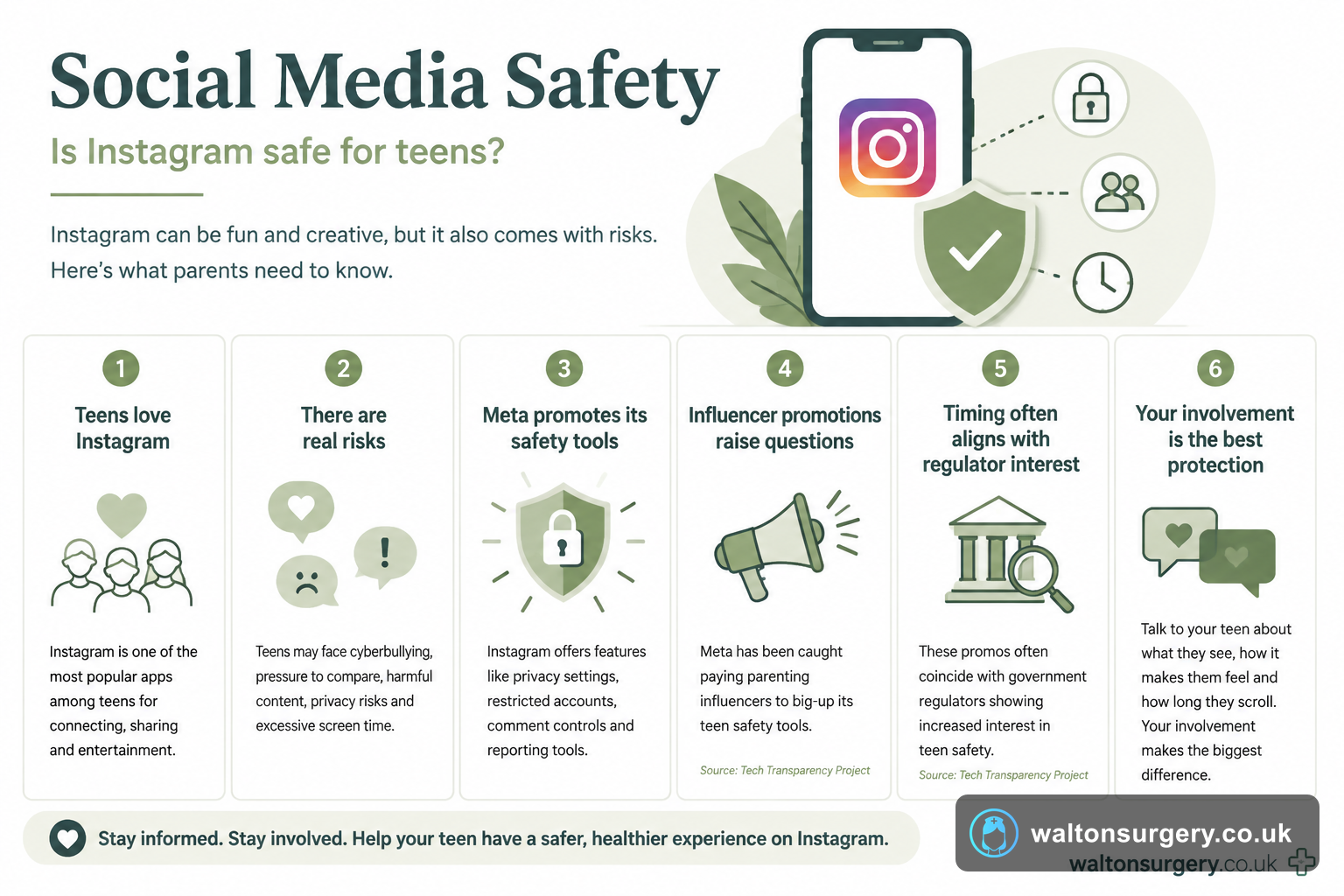
⚡ Quick Answer
Meta's been caught paying parenting influencers to big-up its teen safety tools, and the timing often lines up with government regulators getting interested, according to the Tech Transparency Project. Instagram does have parental controls and things like that, but honestly, the best protection comes from actually talking to your kids about what they're seeing and how long they're scrolling. You being involved is still the main thing.
Instagram isn't a safe space or a dangerous one by default—it really comes down to how your teen uses it and what guardrails you've put in place. A recent investigation by the Tech Transparency Project showed something interesting: Meta, the company that owns Instagram, has been systematically recruiting and paying well-known parenting influencers to talk up its teen safety features. This often happens to coincide with periods when governments are debating new laws around platform safety. So you have to look past the shiny promotional stuff to get a real sense of the digital world your kid is actually moving through.
Your worry as a parent makes complete sense. The platform does provide a collection of parental controls and account settings meant for younger users. But the gap between what's marketed as safe and what actually works in practice is important to understand. Getting a handle on that difference is the first move toward building a better online experience for your teenager.
What are Instagram's current safety features for teenagers?
Instagram automatically sets accounts for anyone under 18 to private. That means only people they approve can see what they post. The platform also puts limits on how unknown adults can message teens and filters out certain types of sensitive content from showing up in the Explore tab. They've also added little prompts that try to get teens to stop scrolling and take a break.
These features give you a foundation to work from. They're baked into how the platform works, but how well they function really depends on whether your teen actually sticks to them or finds a way around them, like putting in a false birthdate when they sign up.
Why is Meta paying influencers to talk about teen safety?
The Tech Transparency Project's report found a clear pattern: Meta tends to bring in influencers to showcase its safety tools right when public pressure or government scrutiny about how dangerous platforms can be is ramping up. One example from July 2025 saw the company fly parenting influencers to a spot overlooking the Sydney Opera House for a camping-themed event focused on promoting its teen account features.
🔬 Key Facts
Meta's Influencer Marketing Pattern
- → Timing: Influencer campaigns often coincide with periods of high government scrutiny and debate over new platform safety laws.
- → Tactic: Meta systematically recruits and pays well-known parenting influencers to promote its teen safety features.
- → Example: In July 2025, influencers were flown to a spot overlooking the Sydney Opera House for a camping-themed event promoting teen account features.
- → Implication: Positive stories about platform safety you see online may be part of a coordinated marketing push rather than genuine concern.
This kind of thing makes you question how genuine the safety message really is. It points toward the promotion of these tools being more of a strategic move to deal with regulatory heat than something they're doing out of pure concern. For you as a parent, it means the positive stories you come across online about how safe a platform is might well be part of a coordinated marketing push.
What are the real risks my teen might face?
Away from the features Meta likes to highlight, there are genuine dangers like exposure to unrealistic body standards, cyberbullying, and outright misinformation. The way the algorithm feeds you content can build echo chambers or push harmful stuff if it's not managed carefully. There's also the problem of too much screen time messing with sleep, focus, and how they interact with people in the real world. Much like the chronic stress caused by celebrity divorce stress health effects, the constant digital pressure can have tangible impacts on wellbeing.
These risks aren't just an Instagram problem, but the platform's visual focus and sheer size can make them feel bigger. The picture-perfect lives often displayed online don't reflect how things actually are and can do real damage to a young person's self-esteem and mental health.
How do I set up parental controls and supervision?
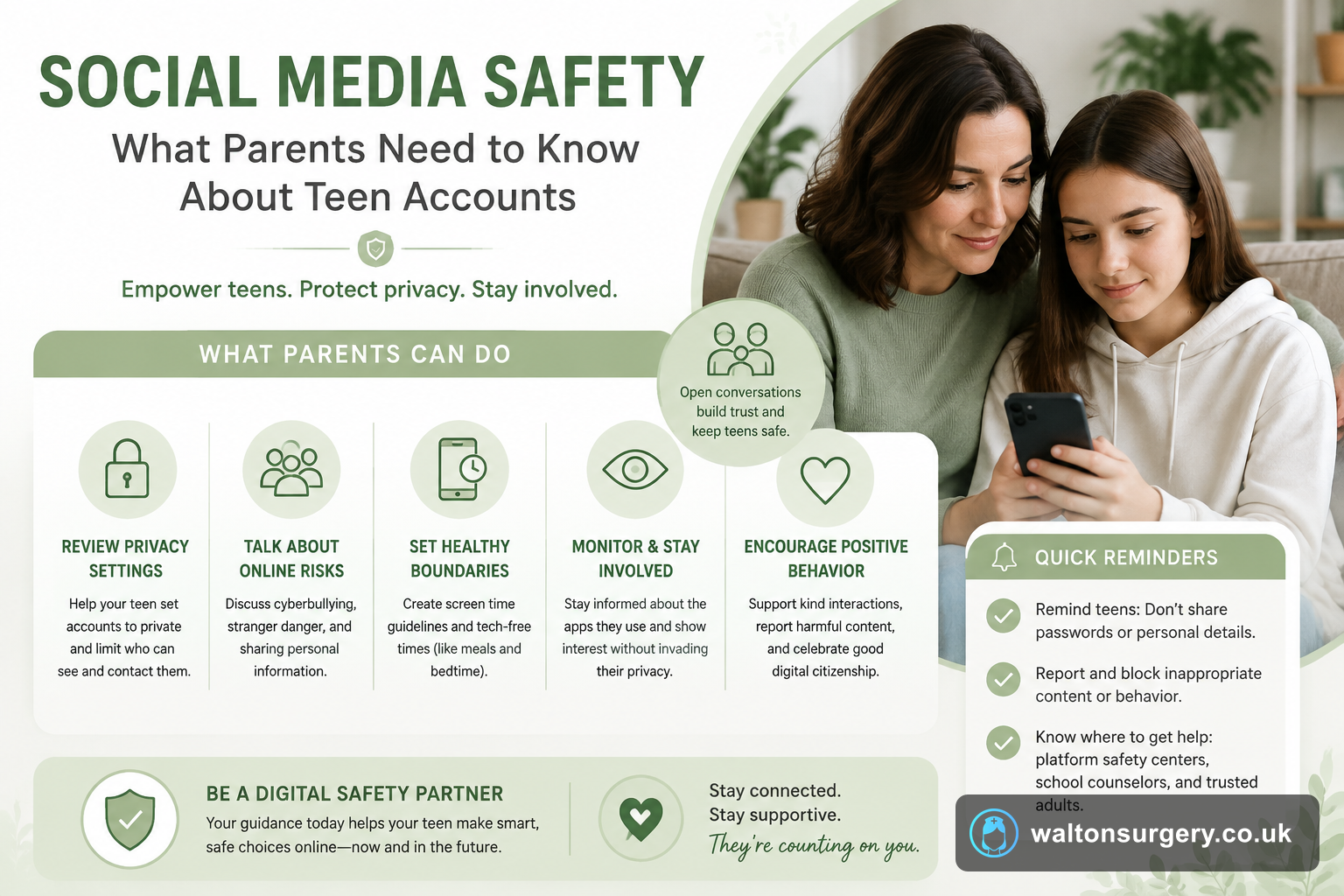
You can start with Instagram's built-in Family Centre. This gives you the ability to see who your teen is following and who follows them, check how much time they're spending on the app each day, and get notifications when they report someone. You're also able to set daily time limits and schedule breaks for their account.
To get this working, your teen has to start the process by sending you an invitation from their account settings. This method encourages a partnership rather than a purely top-down control, which tends to work better for building healthy digital habits over the long term.
Is the age verification system reliable?
Instagram basically trusts users to tell the truth about how old they are when they make an account. There's no real, independent system in place to stop a 13-year-old from saying they're 18 or older. This is a weak spot you'll find on most social media platforms, not just this one.
If the platform does figure out a user is underage, Meta might move them into a restricted teen account. But that relies on their detection methods, which aren't exactly bulletproof. Having a straightforward conversation with your child about why it's important to be honest about their age is a necessary step.
How can I talk to my teen about Instagram use?
Begin with genuine curiosity, not a lecture. Ask them what they actually like about Instagram and whose content they enjoy following. Have regular, casual chats about what they're seeing online, including anything that makes them feel anxious or under pressure. Understanding health anxiety symptoms and treatment can be a good starting point for these discussions. Work together to figure out reasonable daily usage times.
Frame the whole conversation around digital wellbeing and thinking critically. Help them see that influencers promoting products, even safety features, are usually doing a paid job—something that applies to all sorts of claims, even when considering what is selena gomez being sued for. Encourage them to actively curate their feed to turn it into a more positive space.
Frequently Asked Questions
⭐ The Bottom Line
What this means for you
The safety tools Instagram promotes do offer a layer of protection, but they're not a complete fix. Your active involvement—through regular conversations, working together on rules, and understanding how the platform actually makes its money—is irreplaceable. The aim isn't to cut off social media entirely, but to help your teen build the resilience and critical thinking skills they need to move through it safely. Keep monitoring, keep discussing, and be ready to change your approach as they get older.
Last updated: 2026-08-18 · Written by the Walton Surgery editorial team · Medical information is for educational purposes only and does not replace advice from a qualified healthcare professional.