Beyond Celebrity Secrets: Evidence-Based Habits for Healthy Ageing
PART C — HTML Body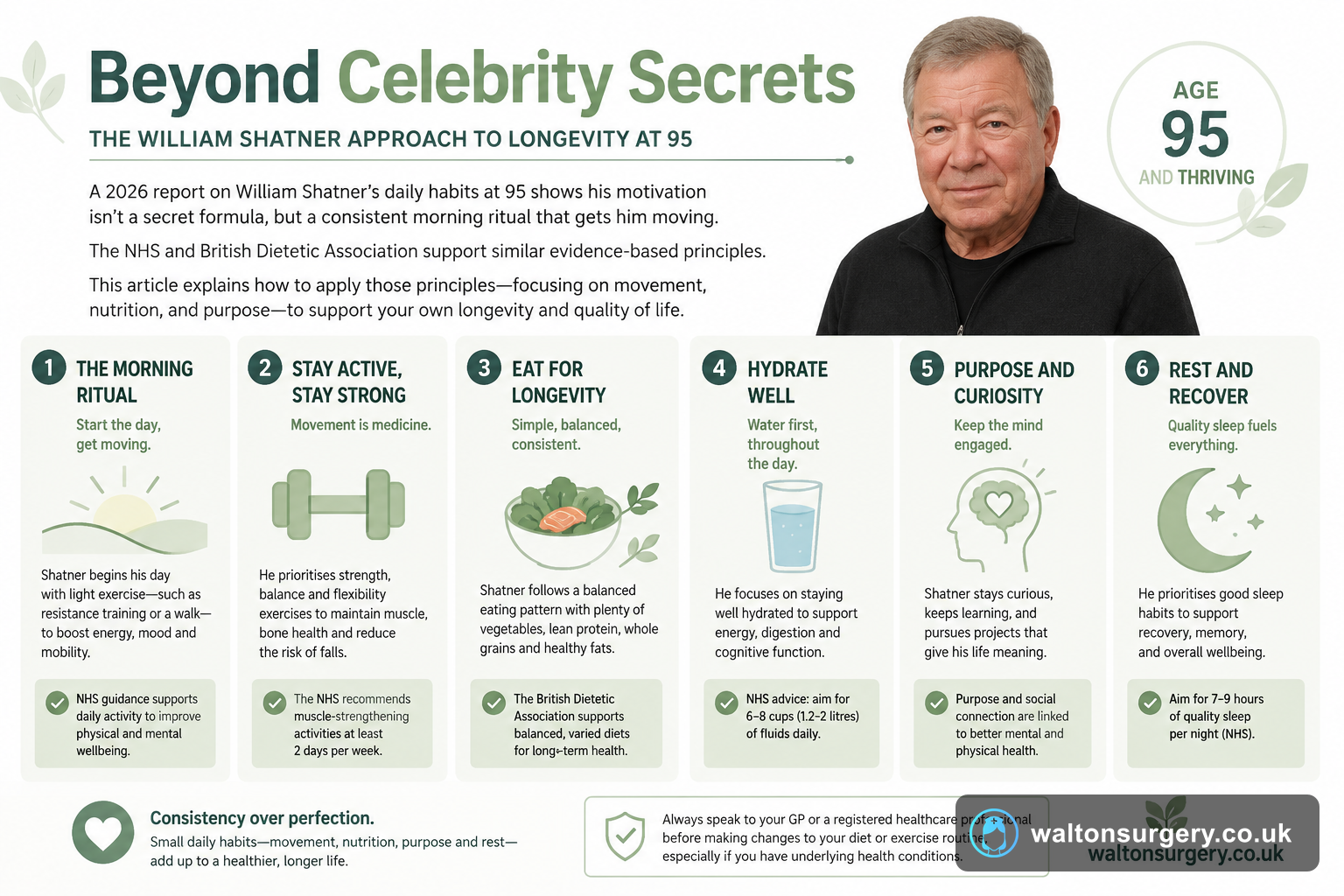
⚡ Quick Answer
A 2026 report on William Shatner’s daily habits at 95 shows his motivation isn’t a secret formula, but a consistent morning ritual that gets him moving. The NHS and British Dietetic Association support similar evidence-based principles. This article explains how to apply those principles—focusing on movement, nutrition, and purpose—to support your own longevity and quality of life.
William Shatner, at the age of 95, puts his ability to get up in the morning down to one simple thing he does every day. A 2026 report into his lifestyle found that his methods aren't some Hollywood secret, but actually line up with what the NHS and the British Dietetic Association (BDA) have been saying for years. The building blocks of a long, healthy life aren't complicated or hidden away. They are steady, manageable habits that you can actually stick to.
Celebrity status has nothing to do with it. The proof is in the public health guidance, pointing to actions that are within reach for all of us, and you can begin them whenever you're ready. What follows is a breakdown of that evidence, and how it connects to staying well as the years add up.
What is William Shatner’s Morning Ritual?
The 2026 report details that what gets William Shatner out of bed at 95 is a set morning routine. The details focus on beginning the day with some light movement and a feeling of purpose. It’s not about gruelling workouts. Instead, it’s about having a predictable, positive beginning that tells both your body and mind it’s time to get involved with the day ahead.
This practice is in line with NHS guidance for older people. The health service advises that staying active, even with light activity, helps you keep your mobility and independence. Having a consistent start to your day can also be good for your headspace. It gives you structure and a positive focus, something that’s really valuable for keeping your mind engaged as you get older. Honestly, it’s one of the most underrated tools we have.
How Does Daily Movement Support Healthy Ageing?
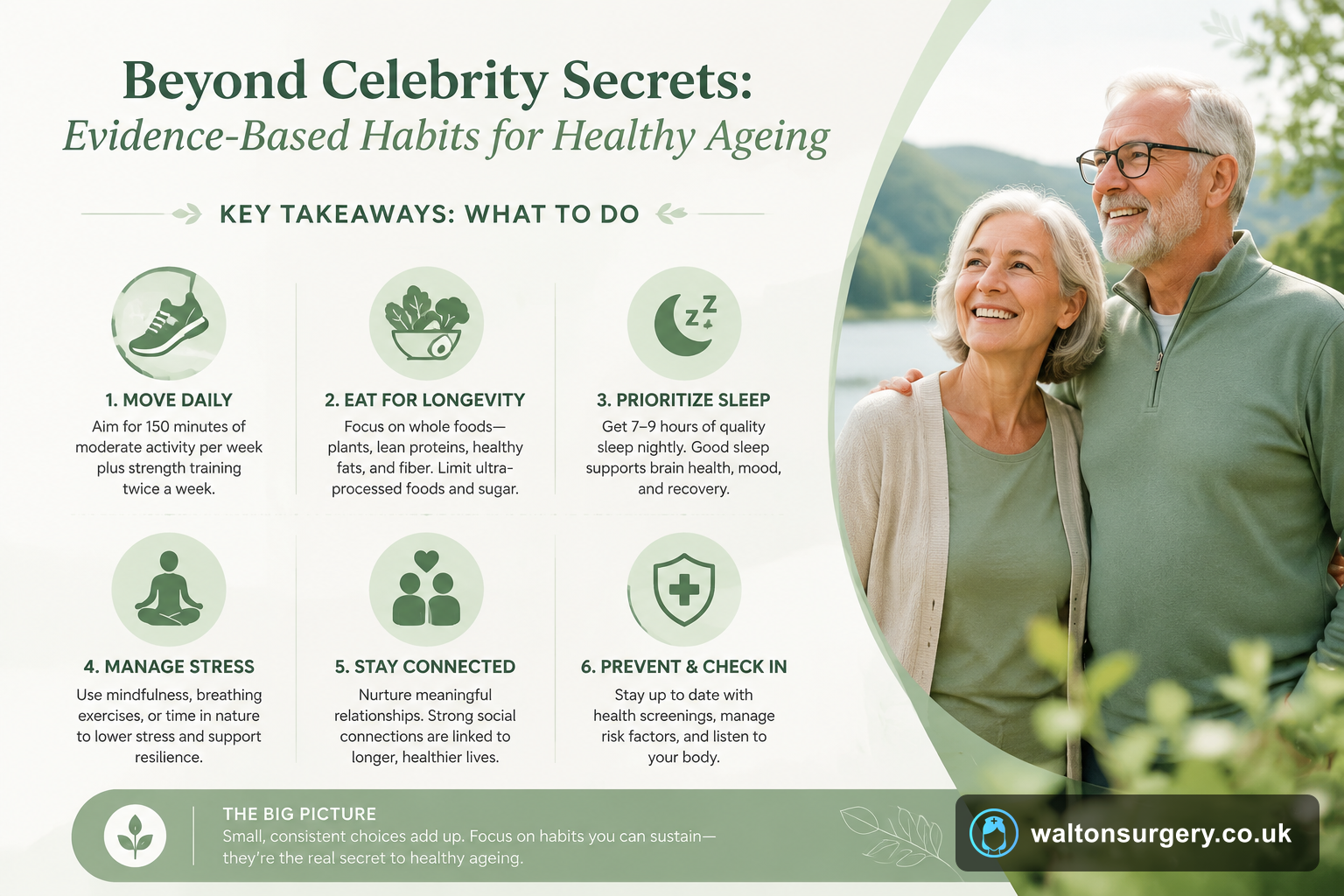
The official guidance from the NHS suggests older adults should aim for at least 150 minutes of moderate activity each week. Or you could do 75 minutes of vigorous activity if that’s more your style. You can break that down into smaller chunks, maybe 10- or 20-minute sessions. The point is to work your heart and lungs, build up your muscles, and get better at keeping your balance.
Shatner’s own ritual of getting moving each morning is a perfect example of this principle in action. You definitely don’t need to be running marathons. Things like a brisk walk, having a dance in the kitchen, or even giving the garden a really good going over all count. The British Dietetic Association points out that regular physical activity helps you manage your weight, looks after your bone density, and cuts your risk of things like heart disease and type 2 diabetes. If you’re thinking about starting a new exercise plan, it’s always wise to have a chat with your GP first, especially if you’ve got any ongoing health issues.
🔬 Key Facts
NHS Physical Activity Guidelines
- → Aim for 150 minutes of moderate activity per week.
- → Break it down into 10- or 20-minute sessions.
- → Focus on balance, muscle strength, and heart health.
- → Consult your GP before starting a new plan if you have health issues.
What Does a Balanced Diet for Longevity Look Like?
There’s no single magic diet for a long life that the public health bodies have signed off on. What we do have is the NHS Eatwell Guide, which gives you a framework for eating a balanced diet. It says you should aim for at least five portions of different fruits and vegetables every day. You should build your meals around higher fibre starchy foods, things like potatoes, bread, rice, or pasta, and make sure you include some dairy or dairy alternatives.
For protein, the British Dietetic Association suggests picking from sources like beans, pulses, fish, eggs, and lean meat. You should also use unsaturated oils and spreads, but only in small amounts. They really hammer home the point about hydration too, recommending you drink 6-8 cups or glasses of fluid a day, and water is the best choice. It’s all about making consistent, balanced choices, not following really restrictive eating patterns that you can’t keep up.
Why is Hydration So Important as We Age?
Something that happens as you get older is that your sense of thirst can get weaker. This means it’s easier to get dehydrated without even knowing it’s happening. The NHS points out that dehydration can give you headaches, make you feel dizzy and tired, and can make problems like constipation and urinary tract infections worse.
Building a simple habit, like having a glass of water as soon as you wake up, is a practical way to start the day properly hydrated. The BDA says that all non-alcoholic drinks count towards your intake, but water is the healthiest option you can pick. A good tip is to keep a water bottle where you can see it, as a physical reminder. And don’t forget about foods that have a lot of water in them, like cucumbers, melon, and soups.
Can Routine Improve Mental Wellbeing?
The NHS mental health services recognise that having structure and a routine is good for your emotional stability, particularly as you get older. A predictable pattern to your day can lower anxiety, give you a feeling of being in control, and create positive things to look forward to.
William Shatner’s focus on a ritual that “gets him out of bed” really speaks to this idea. It’s about finding a reason to engage with the day. This could be a morning walk, a scheduled phone call with a friend, or time spent on a hobby. The NHS recommends staying connected to people and keeping your mind active as core parts of looking after your mental wellbeing in later life. These principles are just as vital for anyone facing health challenges, as seen in recent updates on figures like james bourne illness health update, which highlight the importance of a positive mindset.
How Do You Build a Sustainable Habit?
Resources like the NHS Digital Weight Management Programme and other behaviour change guides all say the same thing: start small and be consistent. Trying to change too much at once is a surefire way to fail. So instead, you should pick one tiny habit. Something like doing a 5-minute stretch after you’ve had breakfast, and then do it every single day.
You can link the new habit to one you already have. This is sometimes called “habit stacking.” For example, you might tell yourself: “After I finish my first cup of tea, I will walk around the block once.” After you’ve done that for a few weeks, it just becomes automatic. The advice from the BDA on making sustainable changes to how you eat follows the same logic. Make small swaps, like adding one extra vegetable to your evening meal, instead of trying to completely overhaul your entire diet in one go.
Frequently Asked Questions
The Bottom Line
⭐ The Bottom Line
What this means for you
William Shatner’s longevity habits at 95 serve as a good reminder that sustainable health is built on simple, consistent foundations: daily movement, balanced nutrition, and a purposeful routine. The evidence from the NHS and British Dietetic Association backs up these principles for everyone. You can start by choosing one small habit from this article and practising it daily. For guidance that is tailored to your own health, discuss your plans with your GP or a registered dietitian. This approach is universally supported, regardless of the specific health journeys of others, such as those managing saira khan health condition or following celebrity health scares 2026.
Last updated: 2026-07-31 · Written by the Walton Surgery editorial team · Medical information is for educational purposes only and does not replace advice from a qualified healthcare professional.